
Why Choose us
Experience and expertise:More Than 10 Years Experience in the sector of water and wastewater sector. We do not only provide goods required but also engineering, design and aftersales services.
Quality Assurance:With lean management and attentive selection, we guarantee quality as a priority and high cost performance.
One Stop Supply:Our products cover most material and tools related to water and wastewater project.
Quick Response:We promise to deliver a feedback within 24 working hours after the request from customer.
Diversified Payment Mode:We accept different payment modes, from T/T to LC, from DAP to OA.
-

S.S Welded Pipe
Stainless Steel is a name given to a group of steel alloys that contain more than 10.5% Chromium. Chromium has a high affinity for oxygen and forms a stable oxide film on the surface of stainless Add to Inquiry -
Sectional Water Tank
Sectional Water Tank is a kind of modular water tank, according to its material, it could be classified into three types: GRP, HDG Steel and Stainless Steel, and it is widely used for potable water, Add to Inquiry -
Pipe Tapping Saddle
A Pipe Tapping Saddle, also called a Pipe Tap Saddle or a Service Saddle, is a plumbing device that is used to create an outlet in the body of an installed pipeline in urban areas. It is utilized to Add to Inquiry -
S.S Seamless Pipe
Stainless Steel Seamless Pipe is made of a single piece of stainless steel as opposed to a welded pipe. As its name suggests, seamless steel pipe does not have a seam or a welded joint.. Stainless Add to Inquiry -
Carbon Steel Welded Pipe
Carbon Steel Welded Pipes (Tubes), are produced by forming a hollow profile from coil, sheet or plate and welding adjacent edge together, and it could be further processed, either hot or cold into Add to Inquiry -
Carbon Steel Seamless Pipe
Carbon Steel Seamless Pipe (Tube), namely SMLS Steel Pipe has, as its name implies, no longitudinal weld seam. It is, in essence, one solid homogeneous piece of steel. A solid billet is simply heated Add to Inquiry -
Butt Weld Steel Fitting
Butt Weld Steel Fitting is a weldable steel pipe fitting that allows for change of direction of flow, to branch off, reduce pipe size or attach auxiliary equipment, and it is generally used in WOG Add to Inquiry -
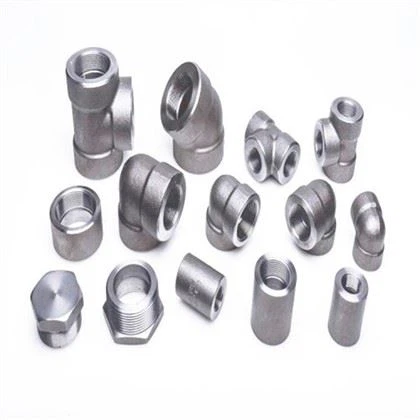
Threaded and Socket Weld Steel Fitting
Threaded and Socket Weld Steel Fitting, also known as Screwed and Socket Weld Steel Fitting can resist corrosion from caustic chemicals, corrosive fluids, oils, and gases, and withstand pressure and Add to Inquiry -
Pipeline Steel Flange
Pipeline Steel Flanges are used to connect valves, pipes, pumps and other equipment to make a pipework system. and two flanges are connected together by bolting them with gaskets to provide a seal Add to Inquiry -
T Type Ductile Iron Pipe
Ductile Iron Pipe (Tube), also namely Ductile Cast Iron Pipe or Ductile Iron Spun Pipe is a centrifugally cast product. A controlled amount of molten iron is introduced into the rotating mold, which Add to Inquiry -
Special Type Ductile Iron Pipe
Special Type Ductile Iron Pipe (Tube) is different from regular T type DI pipes, it is seldom used in the main pipeline but used in particular applications with special joint and structure.. The Add to Inquiry -
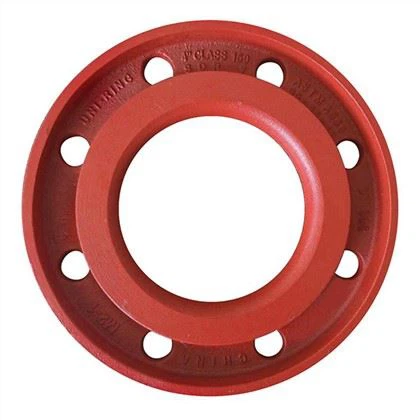
Ductile Cast Iron Flange
Ductile Cast Iron Flange, ie DCI flange, also known as Ductile Iron Flange or DI Flange is a kind of flange made of ductile iron, it is generally used to connect ductile iron pipe, fittings and Add to Inquiry




What is S.S Seamless Pipe
S.S seamless pipe is manufactured by extruding the metal to the desired length; therefore S.S seamless pipe have a welded joint in its cross-section, while seamless pipe does not have any joint in its cross-section through-out its length. In Seamless pipe, there are no welding or joints and is manufactured from solid round billets.
Benefits of S.S Seamless Pipe
Maintaining consistency in the form
Because welded seam pipe is wrapped around another form before being fused, as well as the fact that welding involves heat, tension, and other variables, S.S seamless pipe cannot be as curved as it could be. By continuously extruding the alloy, seamless steel is produced. It indicates a circular cross-section, which is useful when adding fittings or installing pipes, as it indicates that have a circular cross-section.
Adaptability to Loads
S.S seamless pipe are stronger when loaded without a doubt. In an empty pipe, the weight of the substance always supports its weight, but in one that is loaded or stuffed with substance, the weight also needs to be supported by the pipe. A welded pipe's seams are commonly responsible for its failure and leaks. A seamless pipe, on the other hand, is free of seams and consequently affected by none of these problems.
There are also additional Pressure Ratings
One of the most important benefits of S.S seamless pipe is their greater resistance to pressure. The welded seams of connected steel pipes are vulnerable to pressure. Because a S.S seamless pipe has no seam welded into place, it is equally robust from end to end.
Application Of Stainless Steel Seamless Pipes
Construction Industry
One of the largest consumers of stainless S.S seamless pipe is the building industry. Buildings, bridges, and other constructions all utilise these pipes in their construction. Because of their strength, resilience to corrosion, and longevity, they are preferred over other materials. Also, they are simple to use, which makes them well-liked by builders and contractors. Applications for S.S seamless pipe in the construction sector include water supply and drainage systems, gas delivery methods, systems for heating and cooling, structural assistance, structural characteristics, stadiums and other sporting venues can be built using S.S seamless pipe. They provide structural support, seating, and drainage systems. The building sector favours stainless steel pipes because of their extended lifespan and ease of maintenance.
Oil And Gas Sector
Another significant market for S.S seamless pipe is the oil and gas sector. Oil, gas, and other fluids are transported through these pipes. Because of their superior corrosion resistance, great strength, and longevity, they are favoured over other materials. Oil and gas pipelines are just one application for S.S seamless pipe in the oil and gas sector. Drilling rigs used offshore Refineries petroleum refineries tank storage Oil and gas companies frequently choose stainless steel seamless pipes because of their ability to tolerate abrasive conditions and high temperatures. They are also capable of the corrosion that saltwater and other substances can cause.
Industry Of Food And Chemical Processing
Pipes made of stainless steel are also widely used in the chemical and food processing industries. Chemicals, acids, and other corrosive materials are transported through these pipelines. They transfer liquids and gases in the food processing industry. In the chemical and food processing industries, S.S seamless pipe are utilised in a variety of applications, including plants that process Chemicals food processing facilities plants that make medicines plants that cleanse water distilleries and breweries because they are corrosion-resistant and able to withstand high temperatures and pressures. Stainless steel seamless pipes are a common option in the chemical and food processing industries. They are perfect for usage in the food processing industry because they are also simple to maintain and clean.
Fertiliser Production
Ammonia plants, high-pressure pipe systems, ammonia synthesis machinery and heat pumps, and methane plants are among the main application areas in the fertiliser sector.
Exchangers Of Heat
A heat exchanger is a piece of machinery that converts heat from one medium to another. Steel is stainless. Thus, the applications involve the usage of seamless pipes. Exchange of heat. Specifically created pipes that cover the equipment for pipeline systems and heat exchangers.

What is Pipeline Dismantling Joint
Pipeline dismantling joint are designed to allow the removal of valves and equipment in a pipeline for maintenance or replacement. These joints are suitable for use in potable water; non-potable water and wastewater pipelines.
Benefits of Pipeline Dismantling Joint
Easy installation and dismantling process
The installation process is simplified by pipeline dismantling joint, allowing for easy removal and maintenance of pipe sections. Their two flanged pipe ends make them compatible with various stainless steel pipe materials and sizes, ensuring durability and long-lasting performance.
Full Range Sealing
Sealing capability for ductile iron flanges isolation and check valves, fixtures, butterfly check valves, pump flow metering valves and the spigot piece with tie bars. Versatile fittings ensure perfect seals in plant rooms isolation and butterfly valves, check valves, flow metering valves, pumps and meter chambers for high-temperature applications.
High-temperature resistance
High-temperature-resistant pipeline dismantling joint withstand extreme heat, ideal for power plants and oil refineries. They prevent pipeline damage from thermal expansion, require less maintenance, and offer a cost-effective solution in high-temperature environments.
Differences between Flange Adapter and Pipeline Dismantling Joint
01/
In terms of function:
Flange Adapter: It is used to connect different parts of a pipe system that use different sizes or types of flanges.
Pipeline Dismantling Joint: It is used for easy installation and disassembly of pipe sections in maintenance, repair, or inspection cases.
02/
Differences in design:
Flange Adapter: It is designed in a straight and simple manner, with flanges on both ends connected by a middle section.
Pipeline Dismantling Joint: It is designed in a complex manner and includes movable parts such as joints and screws that allow for easy separation and reconnection of parts.
03/
In terms of usage:
Flange Adapter: It is usually used when there is a need to connect pipes with different sizes or types of flanges, such as connecting a large flange to a smaller one.
Pipeline Dismantling Joint: It is used when there is a need to regularly separate pipes for maintenance or repair purposes, allowing easy access to the parts to be dismantled.
04/
Tolerance capacity:
Flange Adapter: When connecting different-sized flanges, the pressure and stress are borne by the Flange Adapter.
Pipeline Dismantling Joint: It can withstand pressure and stress, but it should only be used for pipes that are frequently dismantled and reassembled.
Where Do You Need Use Pipeline Dismantling Joint
The pipeline dismantling joint is a double-flange joint that can be adjusted longitudinally up to 100 mm (4 inches) and can be locked to the desired length using the supplied tie rod. The system not only allows quick and easy maintenance of valves, pumps or gauges, it also simplifies future pipeline engineering modifications and reduces downtime when changes are needed.
Easy to install
The installation is also very simple, just use a wrench and a torque wrench to tighten the high-strength steel or stainless steel tie rods. The tie rod has fewer holes than the flange. The tie rod acts as a flange connection bolt, which speeds up the process, but still provides a safe, rigid, and fully end-load-resistant system with a pressure rating equal to the rated pressure of the flange.
Scope
The simplicity and versatility of the fittings make them suitable for many applications including pumping stations, water treatment works, sewage treatment works, plant rooms, meter chambers, power generation equipment, gas distribution stations.
Pipeline dismantling joints are particularly suitable for simplifying the installation & removal of isolation valves, control valves, check valves, non-return valves, flow metering valves, pump sets, pressure reducing valves, flanged pipe & fittings.
What is Residential Plumbing Valve
Water valves regulate the flow and temperature in pipes and plumbing fixtures. When they are installed and operate properly, the residential plumbing valve control constant flow and volume. Materials used for residential plumbing valve include brass, plastic, stainless steel, bronze, cast iron and galvanized pipe.

Benefits of Residential Plumbing Valve
Quick and Reliable Shut-Off
One of the primary advantages of residential plumbing valves in plumbing systems is their ability to provide quick and reliable shut-off. The quarter-turn mechanism of a residential plumbing valvee allows for swift operation, enabling users to control the flow of water with minimal effort. This quick shut-off feature is especially valuable in emergencies or when immediate isolation of a specific section of the plumbing system is necessary
Residential Plumbing Valves Durability and Longevity
Residential plumbing valves are known for their robust construction, contributing to their durability and longevity. Typically made from materials like brass, stainless steel, or PVC, these valves can withstand the rigors of daily use and are resistant to corrosion. The durability of residential plumbing valves reduces the need for frequent replacements, making them a cost-effective and reliable choice for plumbing systems.
Residential Plumbing Valves Versatility in Applications
Residential plumbing valves find applications in a wide range of plumbing scenarios due to their versatility. Whether used in residential, commercial, or industrial settings, these valves adapt well to various conditions and can handle different types of fluids, including water, gas, and even corrosive chemicals. This versatility makes residential plumbing valves a preferred choice for diverse plumbing needs.
Ease of Operation
The simplicity of the design contributes to the ease of operation of residential plumbing valves. With a lever or handle for control, even those with minimal plumbing experience can operate these valves efficiently. This user-friendly nature reduces the likelihood of errors during installation and maintenance, enhancing overall system performance.
Minimal Pressure Drop
In plumbing systems, pressure drop is a concern that can impact overall efficiency. Residential plumbing valves, with their full-flow design, minimize pressure drop when fully open. This characteristic ensures that the plumbing system maintains adequate water pressure, especially in situations where maintaining optimal flow is crucial.
Low Maintenance Requirements
Residential plumbing valves are low-maintenance components, requiring minimal attention to keep them functioning optimally. Routine inspections, lubrication, and occasional cleaning are usually sufficient to ensure their smooth operation. The reduced need for extensive maintenance translates to cost savings and less downtime for the plumbing system.
Components Of Residential Plumbing Valve
Main Body
Cast iron, ductile iron, or steel are generally used for an residential plumbing valve main body. The primary body of the valve must be made of a corrosion-resistant material in order for it to last for a long time. To further lower the risk of corrosion, the body of the valve is frequently coated with an epoxy resin layer or another kind of protective coating.
Bonnet
An residential plumbing valve bonnet plays a critical role in the valve's overall performance. The bonnet aids in sealing the valve and preventing impurities from entering the interior. The bonnet also assists in shielding the valve's internal parts from damage.
Ports
The ports of an residential plumbing valve control how gases and liquids enter and exit the device. Depending on the size and kind of valve, there usually are two or three ports. Fluids or gases enter the valve through the inlet port, and they exit through the outlet port. The vent port is the third port that is utilized to release the internal pressure of the valve.
Actuator
A valve that is installed below ground level is called an residential plumbing valve. The valve's actuator is the part that manages the valve's opening and shutting. There are many various kinds of actuators, but the hydraulic actuator is the one that is most frequently employed in residential plumbing valve. Hydraulic actuators are typically used for generating huge pressure.
Disc
A disc is a necessary part of many valves, mainly residential plumbing valve. Discs are built to withstand the extreme pressures and temperatures experienced in underground environments. This is so because they are made of strong, long-lasting materials.
Seat
A seat is a part that aids in regulating the water flow via the valve. Generally, it is constructed of materials like metal or plastic that can sustain the pressure of the water. The seat is typically found near the base of the valve, where a handle or lever can be used to open and close it.
Types Of Residential Plumbing Valve
Ball Valve
Ball valves are frequently employed in main water line installations and feature a ball with a hole in the middle that is connected to the handles. They also have a lever handle that can be positioned to allow full water flow or completely shut it off.
To determine if a ball valve is open or closed, simply observe its handle. If it's parallel to the water pipes, the valve is open. Conversely, if the handle is perpendicular to the pipe, the valve is closed. In this case, the flow of water to your home is effectively cut off.
Butterfly Valve
This type of water valve has an exterior that can be easily mistaken for a ball valve. However, the internal structure of a butterfly valve is quite different. It features rotating metal discs that effectively manage the flow of water. As water circulates around these discs, the valve maintains control over pressure and flow, even in the open position.
Unlike ball valves, which are known for their binary on/off mechanism, butterfly valves can adjust water flow. One drawback of this type of valve though is that its internal gasket requires regular maintenance. Nonetheless, when seeking residential plumbing services where a valve has to be replaced or installed, the butterfly model can be a primary recommendation.
Gate Valve
Gate valves serve the purpose of either completely shutting off water flow or allowing it to flow unrestricted. Using them in any other way may lead to premature damage or accelerated wear. This type of water valve incorporates a metal gate that can be lowered or raised using a circular handle.
Typically found in main water pipes or those leading to the boiler, gate valves are susceptible to corrosion and often become stuck due to their metal component. When this happens, problems such as reduced water flow or a complete blockage can ensue.
To prevent corrosion from developing and ensure that the gate valves are functioning properly, regular maintenance and periodic operation are recommended. In particular, lubricating the stem and gate can help prevent the onset of rust and extend the life span of the valve.
Pressure-Reducing Valve
These are plumbing valves designed to regulate water pressure throughout your plumbing system according to your desired level. Equipped with a diaphragm and a spring, this valve type allows you to adjust the pressure to your preferred level.
Also, unlike other valve types which are designed to either open or close the supply of water to your home, a pressure-reducing valve works mainly on reducing the flow of water to decrease overall pressure. It is commonly installed in homes where water pressure is unusually high.
Globe Valve
Globe valves possess a distinctive bulge in their bodies, setting them apart from the others. Controlled by twist knobs, these plumbing valves are utilized for regulating water flow, particularly in homes where flow adjustments are frequent.
The design of the globe valve makes it well-suited for outdoor use and utility faucets. By twisting the knob, you can raise or lower the stopper connected to the valve stem, effectively adjusting the water volume to your desired level.
Fixture Shutoff Valve
Also known as stop valves, fixture shutoff valves are equipped with small knobs or handles that enable them to have control over water flow for individual plumbing fixtures, such as toilets or faucets. There are two variants of this type of valve —the 90-degree-angle model and the straight version.
Regardless of the type installed in your residential plumbing, stop valves allow you to repair a broken fixture without the need to shut off the entire water supply line. Internally, the valve is known for having a variety of designs, with some utilizing a simple compression washer to control a valve seat that is operated through the handle. Other models employ a diaphragm design that applies pressure to an opening on the valve seat to stop the water flow.
Our Factory
Taiyuan Haizhuo Industrial Trade Co.,Ltd is located in Taiyuan City, Shanxi Province, China, it is engaged in the one-stop supply of goods and service for WSSP (water supply & sanitation), WWTP (waste water treatment plant), and irrigation projects, our main supply includes: piping system, geo product, tools, instruments and equipments, with more than 10 years experience, we have exported to more than 20 countries.

Asked Questions
We're well-known as one of the leading piping product manufacturers and suppliers in China. Please feel free to buy high quality piping product for sale here from our factory. For price consultation, contact us.
